Agariya (Salt Farmers) Empowerment Program by the Janpath, Gujarat
Location
Little Rann of Kutch, Gujarat, India (Rann areas where Agariyas migrate for salt cultivation)
Summary of the Project
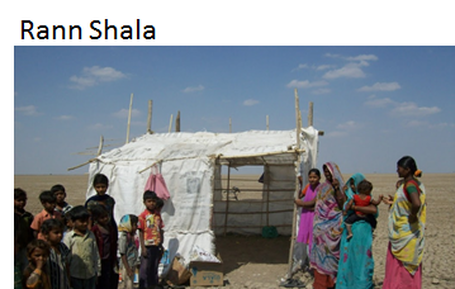
The Rann Shalas project provides mobile education facilities for Agariya children who migrate with their families to salt cultivation areas in the Little Rann of Kutch for 8 months annually (September/October to March/April). The project uses modified buses as mobile schools that are transported to predetermined locations in the Rann, allowing children up to the 5th standard to continue their education while their families work in salt production.
Issues Addressed
Approach Taken
Solutions
Impact
Little Rann of Kutch, Gujarat, India (Rann areas where Agariyas migrate for salt cultivation)
Summary of the Project
The Rann Shalas project provides mobile education facilities for Agariya children who migrate with their families to salt cultivation areas in the Little Rann of Kutch for 8 months annually (September/October to March/April). The project uses modified buses as mobile schools that are transported to predetermined locations in the Rann, allowing children up to the 5th standard to continue their education while their families work in salt production.
Issues Addressed
- Educational discontinuity: Children up to the 5th standard migrate with families to remote Rann areas, interrupting their formal education for 8 months annually
- Lack of educational infrastructure: No permanent schools exist in the temporary salt cultivation areas
- Geographic isolation: Rann areas are remote and inaccessible by conventional means
- Seasonal migration patterns: Families relocate entirely during the salt season, making traditional schooling impossible
- Learning gaps: Extended breaks from education create significant learning deficits
Approach Taken
- Multi-stakeholder coordination: Collaborating with district primary education officers, mid-day meal offices, and block administration
- Community consultation: Involving Agariya communities in selecting school locations and mobilizing enrollment
- Government partnership: Working with Samagra Shiksha Abhiyan to ensure government support and teacher deployment
- Mobile infrastructure: Using modified buses equipped as classrooms with necessary facilities
- Digital learning integration: Incorporating interactive games, videos, and technology-based learning tools
- Community-based monitoring: Establishing parent and community oversight mechanisms
Solutions
- Mobile school deployment: 20 Rann shalas established using modified buses, transported to pre-identified locations
- Teacher coordination: Facilitated deputation of government teachers from respective mother schools
- Infrastructure support: Ensured the availability of water tanks, bus repairs, and basic facilities
- Mid-day meal program: Coordinated appointment of local Agariya women/men as cooks and helpers
- Community mobilization: Organized meetings to encourage enrollment and parental participation
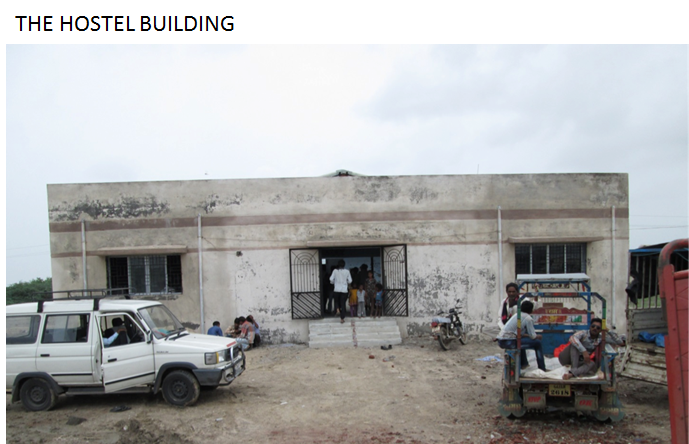
- Hostel enrollment: Identified older children (above 10 years) for enrollment in seasonal hostels like Kasturba Balika Vidyalaya
- Digital learning classes: Provided extra tutorials for children with reading, writing, and math difficulties
- Nutritional support: Extended Dudh-Sanjivani Yojana (milk scheme) to Rann areas
Impact
- 854 children up to the 5th standard continued their education through Rann shalas during migration
- 70 children above 10 years were enrolled in various hostels for continued education
- 25-30 children per school: Each Rann shala achieved good enrollment after community mobilization
- Community ownership: Parents began contributing special meals and monitoring school operations
- Government adoption: Successfully advocated for government policy-making in Rann Shalas' official government schools
- Systematic monitoring: Established community-based oversight for teacher regularity, meal quality, and student attendance
- Parental engagement: Parents now actively inform about issues via WhatsApp and voice calls
- Cultural celebrations: Community-funded Republic Day celebrations and sports programs
- Infrastructure improvements: Regular monitoring ensured consistent water supply, meal quality, and teacher attendance
- Policy influence: Transitioned from NGO-run initiative to government-supported program, demonstrating scalability and sustainability